India’s avionics industry is experiencing a transformation driven by cutting-edge technologies. From digital cockpits to fly-by-wire systems, advanced sensors, and artificial intelligence applications, the sector is on a trajectory of rapid advancement. This blog takes a deep dive into these technological innovations that are reshaping avionics systems in India and propelling the industry into the future.
- Digital Cockpits: Revolutionizing the Flight Experience
Digital cockpits represent a paradigm shift in aviation. Traditional analog dials are making way for high-resolution multifunction displays, touchscreen controls, and augmented reality-enhanced visuals. These digital cockpits provide pilots with real-time data, navigation assistance, and seamless communication, resulting in enhanced situational awareness and improved flight safety.
- Fly-by-Wire Systems: Precision Control
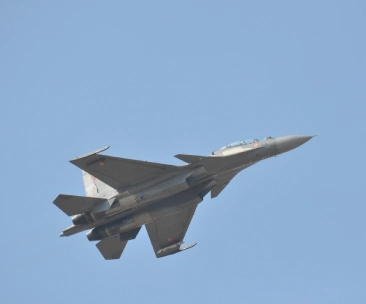
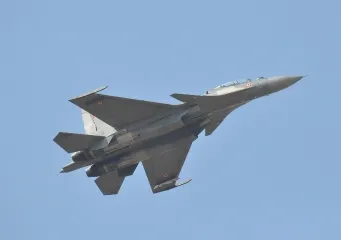
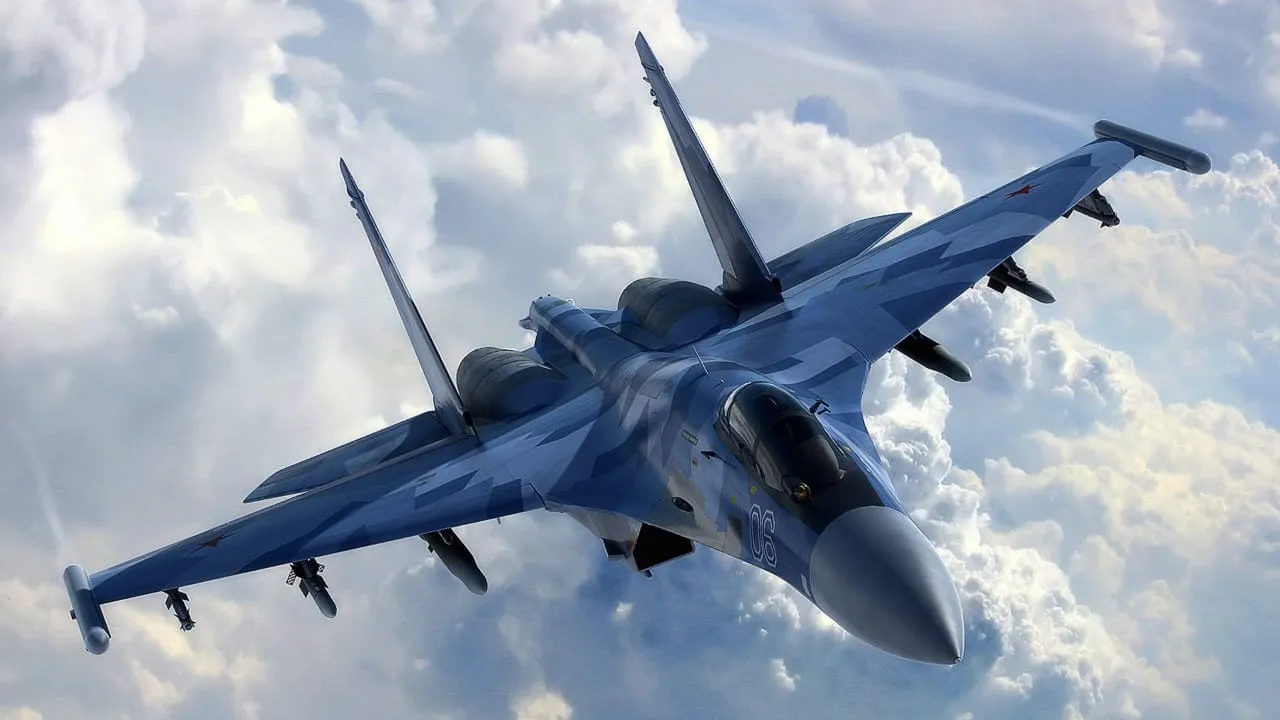
Fly-by-wire systems have become a staple in modern aircraft. Instead of mechanical linkages, these systems rely on digital computers to interpret pilot inputs and adjust control surfaces. This technology offers precision control, greater maneuverability, and increased fuel efficiency. In India, this innovation is being adopted across various military and civilian aircraft, revolutionizing their performance.
- Advanced Sensors: Enhancing Perception
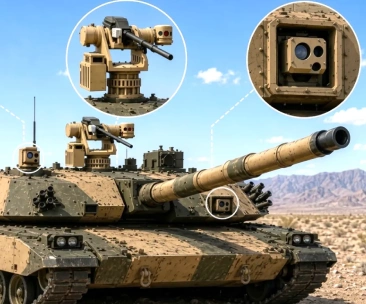
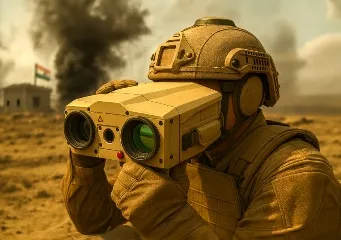
Avionics systems in India are benefiting from advanced sensor technologies. Radar, LIDAR, and infrared sensors are becoming more sophisticated, offering enhanced environmental perception and threat detection capabilities. These sensors are crucial for both military and civilian aircraft, improving navigation, safety, and mission success rates.
- Artificial Intelligence (AI): Smart Decision-Making
Artificial intelligence is playing a pivotal role in avionics innovation. Machine learning algorithms are being employed to analyze vast amounts of data from sensors and aircraft systems in real-time. This enables predictive maintenance, early fault detection, and smart decision-making, reducing operational costs and enhancing aircraft reliability.
- Communication Systems: Seamless Connectivity
In an increasingly connected world, avionics systems are incorporating advanced communication technologies. Satcom systems, data link networks, and high-frequency radios are ensuring seamless connectivity, enabling aircraft to stay in constant communication with ground control, improving air traffic management, and enhancing safety.
- Autopilot and Autonomous Systems: Redefining Flight
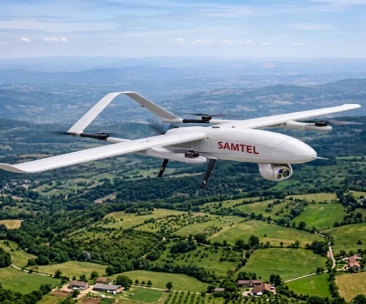
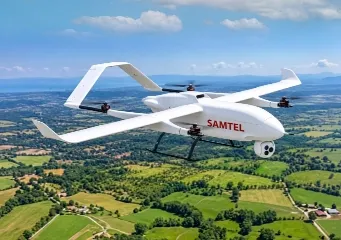
Autopilot systems have evolved beyond basic altitude and heading control. Today, they can handle complex flight operations, including takeoff and landing. Autonomous systems are also being explored, with drones and unmanned aircraft systems (UAS) gaining prominence in surveillance, reconnaissance, and cargo delivery applications.
- Cybersecurity: Safeguarding Aviation
As avionics systems become more interconnected, the need for robust cybersecurity measures is paramount. India’s avionics industry is investing in cutting-edge cybersecurity technologies to protect aircraft systems from cyber threats, ensuring the integrity and safety of aviation operations.
The technological innovations propelling India’s avionics industry are reshaping the way aircraft are designed, operated, and maintained.
From digital cockpits that enhance pilot capabilities to fly-by-wire systems that offer precision control, and from advanced sensors that enhance perception to artificial intelligence that enables smart decision-making, the industry is at the forefront of technological advancement.
These innovations not only improve flight safety but also pave the way for more efficient and connected aviation in India and beyond. As the industry continues to evolve, we can expect even more groundbreaking advancements that will define the future of aviation.




 SUSTAINABILITY


















 +91 124 4682000
 +91 124 4682029

Leave a Reply